
Kelly Madigan
Dinner with Neighbors
The table is full of fretted talk
of instability and what we move toward,
photos of a fire-torn neighborhood,
children holding home-made protest signs.
After, we stand in the sleeve of the birthing
barn while a ewe with signs of labor
chews and paws the ground.
I don’t know what to say.
It’s early in lambing season
but late in the nation. We try
to eat ice cream and lemon
shortbread but can’t help talking
about rifts, disbelief, upended family
constellations. When did we come to know
so much about generators, energy production,
back-up batteries? Who has passports,
dual citizenship?
The ewe has seemed ready
for twenty-four hours, the divot
in her side showing the cargo
has shifted. She plants her back legs
stiffly and looks at us with wide eyes
but so far nothing is happening.
All night the tenders will wake
and check, wake and check again
and the guardian dog will bark
and bark his alarm. Danger, he says.
More than you see!
We have a vial of liquid drug
to inject against the apocalypse.
We have good bread, and Irish butter,
word puzzles and math skills.
We are encouraged by the number
of others who are also carrying signs.
The edges are fraying, but we will soon know
more about the fabric quality, what
a neighborhood is, if the seams
are as sturdy as they seem.
They take shifts, the shepherds, all through
the long watch. The laboring ewe
is restless from the pain of change,
her body softening toward the great spasm
of birth, inevitable and necessary.
Lambs arrive no matter how wild the night.
Seed Bank
The coyotes here know us
and we keep their secrets, their den sites
unrevealed. We differentiate
between active and ancient burrows
easily, look for tracks since last rain,
or a draped doorway of spiderweb.
The local bulletin board
sports a notice from a guy
looking for landowners who will allow
him to hunt, says not many get away,
sees their presence as a problem
to be solved. We know that coyotes
refill like groundwater, react to losses
with giant litters, more pups to counteract
the population decline. Remove a coyote
and another coyote appears. Remove
a pack and a new pack takes its place.
There is a space inside of me the size
and shape of my grandmother. When she died,
it filled in with love-of-grandmother.
Whatever she was, she is this now.
Memory wears her thick glasses, cradles
her story of clutching fresh raspberries
in toddler hands, of her life being saved
by mud after disturbing the bees. My father
lives in a similar memory purse, his money
talk, his rocket launch, his moonrise.
This is the way of coyotes. You could kill
them all, eradicate the species, and still
more pups would spill out into the landscape.
Consider it a seed bank.
There is a coyote-shaped place
that can only be filled with coyote.
The hillside itself manufactures them. It will
not be stopped by your short-term efforts.
Build a neighborhood and they will eat
the birdseed and cat food you put out. Build
a city and they will shop at your grocery,
ride your subway. Build a religion
and coyote curls up in your manger.
You might listen to them and mistake it for laughter,
but it is an unending song of mending, of recovery.
The local guy is frustrated landowners don’t take him up
on his eradication offer. But it’s like
he is offering to bail water out of the river.
The river knows where it belongs, and refreshes.
Back to Issue XIV…
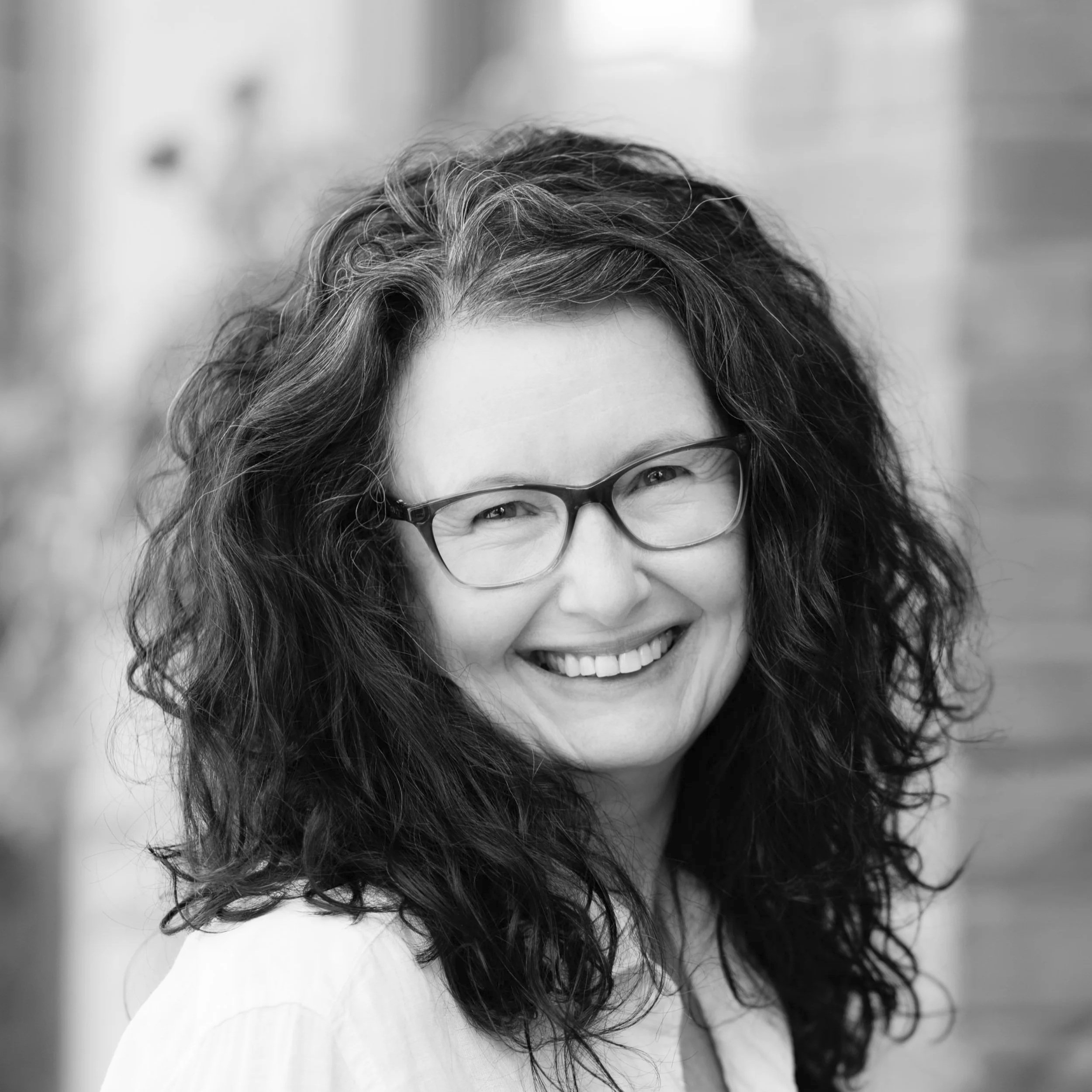
Kelly Madigan is a poet and essayist living in the Loess Hills of western Iowa. She has received a fellowship from the National Endowment for the Arts, and the Distinguished Artist Award from the Nebraska Arts Council. Her work has appeared in 32 Poems, Terrain.org, Prairie Schooner, Flyway, SWWIM, and The Massachusetts Review. Her books include The Edge of Known Things (SFASU Press) and Getting Sober (McGraw-Hill.)
Quisque iaculis facilisis lacinia. Mauris euismod pellentesque tellus sit amet mollis.